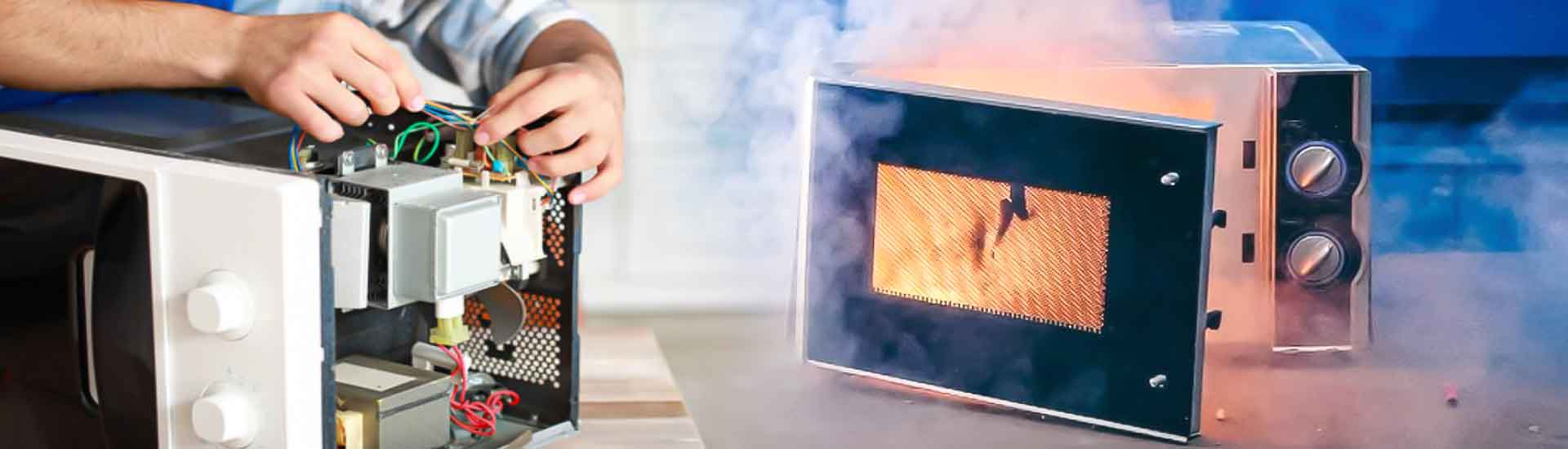

The Everyday Mistakes That Can Damage Your Microwave
A microwave has become an essential kitchen appliance for many households, making it easy to heat meals, defrost frozen food, and prepare quick snacks. However, everyday habits and careless usage can gradually affect its performance and reduce its lifespan. Some mistakes may seem harmless but can cause overheating, sparks, electrical issues, or damage to internal components. Knowing what to avoid can help you keep your appliance working safely and efficiently.
Using the Wrong Containers
One of the most common microwave mistakes is using unsuitable containers. Metal utensils, aluminium foil, and containers with metallic decorations can create sparks and potentially damage the appliance. Similarly, some plastic containers may melt or release unwanted chemicals when exposed to high temperatures. Always choose microwave-safe glass, ceramic, or clearly labelled microwave-safe containers.
Running the Microwave Empty
Operating a microwave without food or liquid inside is another habit that should be avoided. The energy produced inside the appliance needs to be absorbed by something. When the microwave runs empty, the energy may reflect back toward the internal components, potentially affecting the magnetron and other important parts. Even a short period of empty operation can put unnecessary stress on the appliance.
Ignoring Food Spills and Grease
Food splashes, grease, and leftover particles can accumulate inside the microwave over time. If these are not cleaned regularly, they may become difficult to remove and can produce unpleasant smells. In some cases, accumulated food residue can even burn during operation. Wiping the interior after use and cleaning stubborn stains with suitable methods can help maintain a hygienic cooking space.
Overheating Food
Heating food for too long can lead to more than an unpleasant smell. Excessive heating may cause food to burn, containers to become extremely hot, or liquids to overheat. Use the recommended heating duration and inspect the food before deciding whether it needs additional cooking time. Be especially careful with liquids, as they can sometimes become dangerously hot without visibly boiling.
Blocking the Ventilation
Microwaves need proper airflow to manage heat generated during operation. Placing objects around ventilation openings or covering them can restrict airflow and cause overheating. Keep the appliance in a suitable location with enough space around it, as recommended by the manufacturer.
Slamming the Door
The microwave door contains important safety mechanisms that allow the appliance to operate correctly. Repeatedly slamming or forcefully closing the door can damage the latch, hinges, or door switches. If the door does not close properly, avoid using the microwave until it has been inspected by a qualified professional.
Delaying Repairs
Ignoring unusual sounds, burning smells, sparking, inconsistent heating, or a malfunctioning control panel can turn a small issue into a more expensive repair. If your microwave is not working properly, contacting a reliable microwave service centre in Kolkata can help identify the problem before further damage occurs. You can also search for a trusted microwave service centre near me when you need convenient assistance.
If you are also experiencing problems with your home appliances, you may find our previous blog, “How Professional Technicians Restore AC Performance,” helpful. Professional technicians use proper diagnostic methods to identify faults and restore appliance performance safely.
Final Thoughts
A microwave can provide years of reliable service when used correctly. Avoiding simple mistakes such as using metal containers, running the appliance empty, blocking ventilation, and neglecting maintenance can protect its essential components. When professional assistance is needed, choosing an experienced microwave service centre can ensure that repairs are handled safely and efficiently.
FAQs
- Can I use aluminium foil inside a microwave?
It is generally best to avoid aluminium foil unless the microwave manufacturer specifically provides instructions for safe use. - Why does my microwave make unusual noises?
Unusual sounds may indicate problems with internal components, the turntable system, or electrical parts. Professional inspection is recommended. - How often should I clean my microwave?
Light cleaning should be done regularly, especially after spills. A deeper cleaning can be performed whenever grease or food residue builds up. - What should I do if my microwave starts sparking?
Switch off the microwave at once and disconnect it from the power supply, provided it is safe to do so. Check for unsuitable containers or food residue, and contact a professional technician if the problem continues. - When should I contact a microwave service centre near me?
Contact a technician if the microwave stops heating, produces unusual sounds, sparks repeatedly, has a damaged door, or shows electrical problems.